
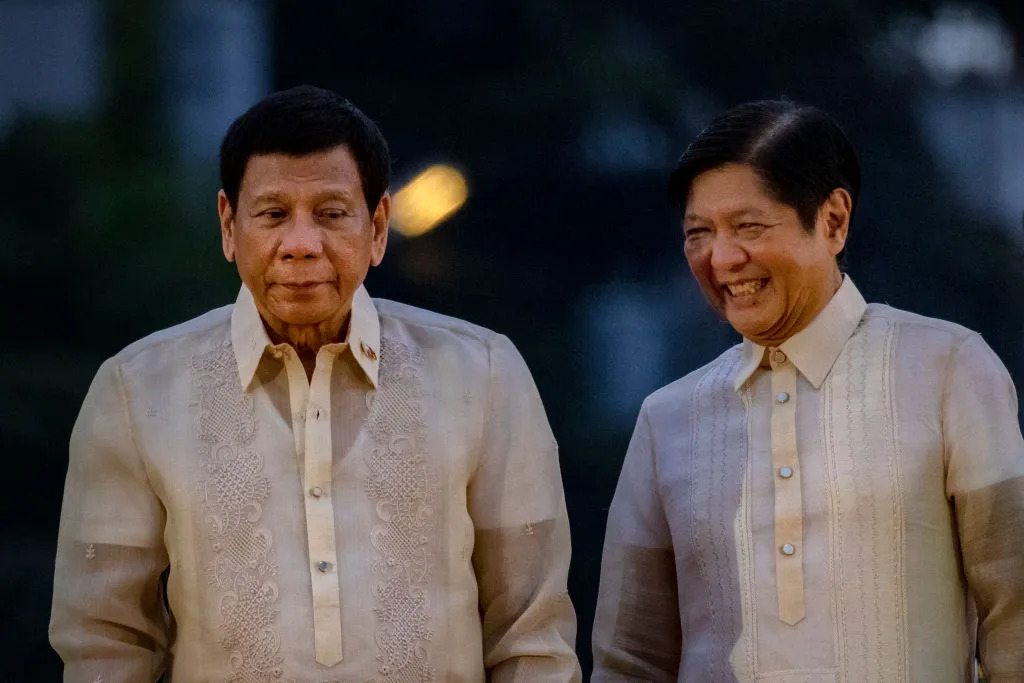
The administration of President Ferdinand “Bongbong” Marcos Jr. has reiterated its position that the International Criminal Court (ICC) has no jurisdiction over the Philippines. Amid discussions on the potential interim release of former President Rodrigo Duterte, the Palace firmly stated that the government will not cooperate with the ICC if it imposes technical conditions for his release.
No Jurisdiction, No Cooperation
The Marcos administration has consistently maintained that the Philippines withdrew from the ICC in 2019, making any external intervention in its legal matters unacceptable. Presidential officials have emphasized that any legal proceedings involving Duterte should be handled within the country’s judicial system, not by an international tribunal.
Legal and Political Implications
This stance highlights a broader national policy of asserting sovereignty and rejecting foreign interference in domestic affairs. Supporters of Duterte argue that his detention is politically motivated, while critics insist on accountability for alleged human rights violations. Regardless of differing opinions, the Philippine government remains steadfast in its refusal to recognize ICC rulings.
What’s Next?
As tensions rise, the situation remains fluid. Will the ICC push for further action? Will diplomatic pressures influence the government’s stance? One thing is certain—Duterte’s case continues to be a focal point in Philippine politics.